
Endoscopic Retrograde Cholangiopancreatography (ERCP) in Denver, CO
Endoscopic retrograde cholangiopancreatography is a highly specialized procedure used to diagnose and treat conditions affecting the bile ducts, gallbladder, and pancreas. At Rocky Mountain Gastroenterology Associates, we provide advanced endoscopic retrograde cholangiopancreatography in Denver, CO, helping patients get accurate answers and effective relief from complex digestive issues.
With decades of experience and access to state-of-the-art Endoscopy Centers, our team delivers precise, minimally invasive care designed to improve outcomes and restore your quality of life. If you’ve been told you may need an endoscopic retrograde cholangiopancreatography test, we’re here to guide you through every step.
What Is Endoscopic Retrograde Cholangiopancreatography?
Endoscopic retrograde cholangiopancreatography (ERCP) is a procedure that combines endoscopy and imaging technology to evaluate and treat problems within the bile and pancreatic ducts.
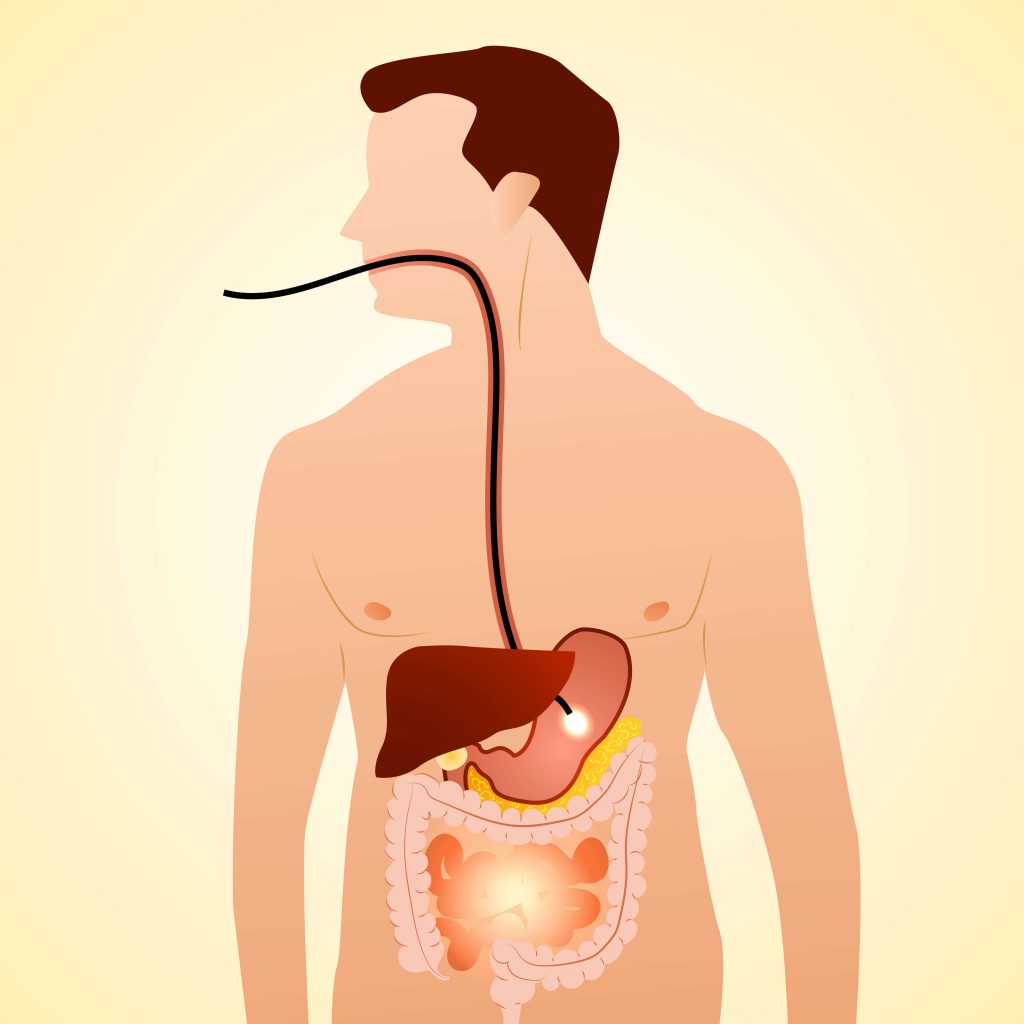
During this procedure, a flexible tube called an endoscope is guided through the digestive tract to examine the stomach and small intestine. A contrast dye is then injected into the ducts, allowing detailed X-ray images to identify blockages, narrowing, or other abnormalities.
This advanced endoscopic retrograde cholangiopancreatography test is commonly used to diagnose conditions affecting the liver, gallbladder, pancreas, and surrounding duct systems.
Conditions ERCP Can Diagnose & Treat
ERCP is both a diagnostic and therapeutic tool, meaning it can identify and treat issues during the same procedure. This makes it especially valuable for patients experiencing complex or persistent symptoms. Common conditions ERCP can address include:
- Gallstones blocking the bile ducts
- Pancreatitis (acute or chronic)
- Bile duct or pancreatic duct strictures
- Infections in the biliary system
- Tumors or cancers in the bile ducts or pancreas
- Complications following surgery
By targeting the root cause of symptoms, endoscopic retrograde cholangiopancreatography treatment can provide faster relief and reduce the need for more invasive procedures.
When You May Need an ERCP Test
Your doctor may recommend an ERCP if you are experiencing symptoms or test results that suggest a blockage or abnormality in your bile or pancreatic ducts. Common reasons to undergo an ERCP include:
- Persistent abdominal pain
- Jaundice (yellowing of the skin or eyes)
- Unexplained nausea or vomiting
- Abnormal liver or pancreas lab results
- Suspected gallstones in the bile ducts
If less invasive imaging tests are inconclusive, an endoscopic retrograde cholangiopancreatography test can provide a clearer diagnosis and immediate treatment when needed.
What to Expect During the ERCP Procedure
Understanding what happens during the procedure can help you feel more comfortable and prepared. Before the procedure, you will receive sedation to ensure you remain relaxed and pain-free. Once you are comfortable, your physician will guide the endoscope through your mouth, into the stomach, and into the small intestine. From there:
- A contrast dye is injected into the bile and pancreatic ducts
- X-ray imaging captures detailed views of the ducts
- Specialized tools may be used to remove stones, place stents, or open narrowed areas
Most ERCP procedures are completed within an hour, though the exact length depends on the complexity of your condition.
ERCP Treatment Options
One of the biggest advantages of ERCP is its ability to treat problems during the same procedure used for diagnosis. This reduces the need for additional interventions and speeds up recovery. Common endoscopic retrograde cholangiopancreatography treatment options include:
- Removing gallstones from bile ducts
- Placing stents to relieve blockages
- Dilating narrowed ducts
- Treating strictures or scar tissue
- Addressing certain tumors or abnormalities
These minimally invasive treatments can significantly improve symptoms and prevent complications from worsening.
Risks & Safety of ERCP
ERCP is generally considered a safe and effective procedure, especially when performed by experienced specialists. However, as with any medical procedure, there are some risks to be aware of. Potential risks may include:
- Pancreatitis
- Infection
- Bleeding
- Reactions to sedation
At Rocky Mountain Gastroenterology Associates, patient safety is always our top priority. Our team carefully evaluates your condition and medical history to ensure ERCP is the right option and takes every precaution to minimize risks.
ERCP Recovery & Aftercare
After your ERCP procedure, you will be monitored as the sedation wears off. Most patients are able to return home the same day, though you will need someone to drive you.
Recovery is typically quick, with many patients resuming normal activities within a day or two. Your provider will give you specific aftercare instructions based on your procedure, including dietary recommendations and any follow-up care needed.
If additional treatment or monitoring is required, our team will create a clear plan to support your continued health.
Why Choose Rocky Mountain Gastroenterology Associates?
When it comes to advanced procedures like ERCP, experience matters. Rocky Mountain Gastroenterology Associates is a trusted leader in digestive care throughout the Denver Metro Area.
Our physicians perform nearly 30,000 procedures annually in our state-of-the-art Endoscopy Centers, giving us the expertise needed to deliver precise and effective care. We are committed to combining advanced technology with a compassionate, patient-first approach.
In addition to high-quality care, our centers offer a cost-effective alternative to hospital-based procedures, often at a fraction of the cost. If you need endoscopic retrograde cholangiopancreatography in Denver, CO, you can feel confident choosing our experienced team. Contact us today to schedule your consultation.
Endoscopic Retrograde Cholangiopancreatography in Denver, CO: FAQs
What is Endoscopic Retrograde Cholangiopancreatography (ERCP)?
ERCP is a medical procedure used to examine and treat problems in the bile ducts, pancreatic duct, and gallbladder area. It combines endoscopy and X-ray imaging. During the procedure, a doctor passes a thin, flexible tube with a camera through the mouth, down the throat, and into the small intestine. A special dye is then injected into the ducts so they can be seen clearly on X-rays.
Why is an ERCP Test Performed?
An ERCP is usually performed to find or treat conditions that affect the bile ducts or pancreas. These may include:
- Gallstones blocking the bile duct
- Narrowed or scarred ducts
- Bile leaks
- Infections
- Pancreatitis
- Tumors or abnormal growths
How is the ERCP Procedure Done?
Before the procedure, you are usually given sedation or anesthesia to help you relax and stay comfortable. The doctor then inserts an endoscope through your mouth and guides it into the small intestine. A small tube is passed through the scope to inject contrast dye into the bile or pancreatic ducts. X-rays are taken to look for blockages or other problems. If needed, the doctor may also perform treatment during ERCP, such as:
- Removing stones
- Placing a stent to keep a duct open
- Widening a narrowed area
- Taking a tissue sample
The procedure often takes about 30 minutes to an hour, depending on what needs to be done.
What Should I Expect During ERCP Recovery Time?
After ERCP, you will be monitored while the sedation wears off. You may feel sleepy, bloated, or have a mild sore throat for a short time. Because of the sedation, you will usually need someone to drive you home. Most people can go home the same day, but some may need to stay longer if treatment was performed or if there are concerns about complications. Your doctor may give you instructions about eating, drinking, rest, and when to return to normal activities.
Call us right away if you have:
- Severe belly pain
- Fever
- Vomiting
- Trouble swallowing
- Black or bloody stools
- Chest pain or shortness of breath
Is ERCP Safe?
ERCP is generally safe when performed by trained specialists, but like any medical procedure, it has some risks. Possible complications can include:
- Pancreatitis
- Bleeding
- Infection
- A tear in the digestive tract
- Reaction to sedation
We will weigh the benefits and risks before recommending ERCP and will discuss any concerns with you.
How Should I Prepare for an ERCP Test?
Our care team will give you specific instructions, but common preparation steps include:
- Do not eat or drink for several hours before the procedure
- Tell your doctor about all medicines, vitamins, and supplements you take
- Ask whether you should stop blood thinners, diabetes medicines, or other drugs before the test
- Tell your doctor about allergies, especially to contrast dye or medicines
- Arrange for someone to take you home after the procedure
Be sure to follow our instructions closely so the procedure can be done safely and smoothly.
Go back