
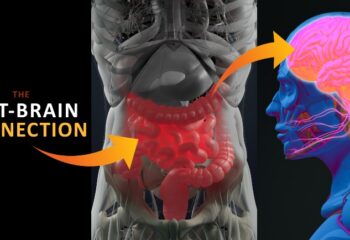
Have you ever felt “butterflies” in your stomach before a big event or experienced a stomachache during a stressful week? These common feelings aren’t just in your head. They’re real physical reactions caused by the close relationship between your mind and your digestive system.
For a long time, doctors treated physical problems and mental health as two distinct things. We now know that the brain and the gut constantly communicate. When you feel anxious, sad, or stressed, your stomach often feels the impact. At the same time, stomach problems can cause changes in your mood.
Rocky Mountain Gastroenterology Associates offers expert guidance in Denver, CO, to help patients understand and manage the gut-brain connection. By learning about the gut-brain axis, you can take control of both your mental well-being and your physical health.
Understanding the Gut-Brain Axis
The communication network that links your brain and your stomach is known as the gut-brain axis. Messages travel from your brain down to your digestive tract, and they also travel from your digestive tract back up to your brain. This connection involves millions of nerves. The most important nerve in this system is the vagus nerve, which extends from your brainstem to your abdomen. As a result of this direct physical link, your thoughts and feelings can directly change how your body digests food.
How Mental Health Affects Gut Health
Your emotions play a significant role in how your stomach works. When you experience high stress levels or anxiety, your body releases stress hormones. These hormones prepare your body for a “fight or flight” response. While this is helpful if you’re in physical danger, it’s not good for your digestion. Stress hormones can cause several problems in your digestive tract:
- They can make your stomach muscles spasm, leading to pain or cramping.
- They can speed up or slow down the movement of food through your intestines, causing diarrhea or constipation.
- They can increase stomach acid, leading to heartburn or indigestion.
- They can weaken the lining of our gut, making it easier for harmful bacteria to cause inflammation.
If you struggle with ongoing stress, depression, or anxiety, you might notice that your stomach issues won’t go away. Treating the mind is often a necessary step to healing the stomach.
How Gut Health Affects the Brain
We’re commonly asked, “How does gut health affect the brain?” Because the gut and brain connection is a two-way street, a troubled stomach can cause a troubled mind.
Your digestive system produces many of the same chemicals that your brain uses to regulate your mood. For example, serotonin is a chemical that helps you feel happy and relaxed. Surprisingly, your gut produces about 95% of your body’s serotonin. If your digestion is off, your body might struggle to make enough of these important mood-boosting chemicals.
Furthermore, when your stomach is irritated or inflamed, it sends warning signals back to your brain. These signals can trigger feelings of anxiety or sadness. This is why people with chronic stomach pain often struggle with their mental health.
The Enteric Nervous System: Your Second Brain
To fully understand the brain-gut connection, you must examine the enteric nervous system. This is a massive network of over 100 million nerve cells lining your entire digestive tract. Scientists often call it a “second brain.”
The enteric nervous system controls the daily tasks of digestion. It manages swallowing, releasing enzymes to break down food, and pushing food through your intestines. It can operate completely on its own, without waiting for instructions from the brain in your head. However, it still communicates constantly with your main brain. When the enteric nervous system senses trouble – like an infection or food that’s hard to digest – it alerts your brain immediately.
Conditions Strongly Influenced by the Gut-Brain Axis
Several medical conditions are closely linked to this powerful gut-brain connection. When communication between the brain and the stomach breaks down, people can develop painful symptoms. Some common conditions influenced by the brain-gut connection include:
- Irritable Bowel Syndrome (IBS) – People with IBS often have sensitive intestines. Stress is one of the biggest triggers for IBS flare-ups.
- Inflammatory Bowel Disease (IBD) – Conditions like Crohn’s disease and ulcerative colitis involve severe inflammation. While stress doesn’t cause IBD, it can make the symptoms much worse.
- Functional Dyspepsia – This is a chronic upset stomach without a clear physical cause. It’s heavily influenced by anxiety and stress.
- Food Allergies and Sensitivities – A stressed body has a harder time digesting certain foods, which can make sensitivities to dairy or gluten feel more severe.
The Role of the Microbiome in Mental Health
Your digestive tract is home to trillions of tiny organisms, including bacteria, viruses, and fungi. This bustling community is called the gut microbiome. A healthy microbiome is essential for good digestion, but it’s also vital for your mental health.
The good bacteria in your stomach help produce vitamins and mood-regulating chemicals. They also help control inflammation throughout your body. When you eat a poor diet, take certain medications, or experience chronic stress, the bad bacteria can outnumber the good bacteria. This imbalance can lead to fatigue, brain fog, and a lower mood. Feeding your microbiome the right foods can help keep your brain happy.
Minimally Invasive Tools for Understanding Gut-Brain Disorders
If you’re experiencing ongoing stomach pain, it’s important to determine why. Rocky Mountain Gastroenterology Associates uses advanced, minimally invasive tools to check the health of your digestive system. We want to ensure ulcers, infections, or other physical diseases aren’t causing your symptoms. Once we rule out or treat physical diseases, we can focus on therapies that calm the nervous system. Among our diagnostic procedures are:
- Endoscopy – A tiny camera on a flexible tube allows us to look at the lining of your upper digestive tract.
- Colonoscopy – This helps us examine your lower intestines for signs of inflammation or other problems.
- Breath Tests – These simple tests can identify bacterial overgrowth or food intolerances.
- Capsule Endoscopy – You swallow a pill-sized camera that takes pictures as it travels naturally through your digestive system.
Lifestyle and Behavioral Strategies to Improve Gut-Brain Health
You have a lot of power to improve both your digestion and your mood. Making small, healthy choices every day can strengthen the gut-brain connection. Here are some strategies to help you get started:
- Eat a Balanced Diet – Focus on whole foods. Eat plenty of fiber from fruits, vegetables, and whole grains. Fiber feeds the good bacteria in your microbiome.
- Manage Your Stress – Find healthy ways to relax. Try deep breathing exercises, yoga, or daily walks. Meditation can also help calm your nervous system.
- Get Enough Sleep – Your body heals itself while you sleep. Aim for seven to eight hours of good sleep each night to keep your brain and stomach functioning well.
- Stay Active – Regular exercise helps keep food moving through your digestive system. It also releases endorphins, which are natural mood boosters.
- Consider Therapy – Cognitive behavioral therapy (CBT) is highly effective for people with IBS and other digestive issues. A therapist can help you change negative thought patterns that trigger stomach pain.
When to See a Gastroenterologist
Occasional stomach upset is normal, especially during stressful times. However, you shouldn’t have to live with daily pain. It might be time to see a specialist if your symptoms are interfering with your daily life. A gastroenterologist can help you determine the cause of your discomfort and create a personalized treatment plan. Schedule an appointment at one of our Denver-area clinics if you experience:
- Frequent heartburn or indigestion that doesn’t go away with over-the-counter medicine
- Changes in your bowel habits that last for more than a few days
- Severe abdominal pain or cramping
- Unexplained weight loss or a sudden loss of appetite
- Feeling like your stomach problems are causing you extreme anxiety or sadness
FAQ About the Gut-Brain Connection
Can Anxiety Cause Diarrhea?
Yes. When you’re anxious, your brain sends stress signals to your enteric nervous system. This can speed up your digestion, causing food to move too quickly through your intestines and leading to diarrhea.
Will Changing My Diet Cure My Depression?
Diet alone is rarely a cure for depression. However, eating a healthy diet rich in fiber and whole foods supports a healthy microbiome. This can improve your overall mood and make mental health treatments more effective.
Are Probiotics Good for Mental Health?
Probiotics are beneficial bacteria found in certain foods and supplements. Some studies suggest that specific probiotics can help lower anxiety and improve mood. Always talk to your doctor before starting a new supplement.
How Do I Know If My Stomach Pain Is Caused by Stress?
If your doctor has ruled out physical diseases like infections or ulcers and your pain gets worse during difficult times at work or home, stress is likely playing a major role.
Contact Rocky Mountain Gastroenterology Associates Today
The team at Rocky Mountain Gastroenterology Associates can help you understand your digestive issues and find lasting relief. We’ll take a comprehensive approach to your health, treating both the physical symptoms and the underlying causes. Contact us today to schedule an appointment and take the first step toward healing your gut health and mind.
Go back