
Primary Sclerosing Cholangitis Treatment in Denver, CO
Primary Sclerosing Cholangitis is a rare but serious liver condition that requires expert, ongoing care. At Rocky Mountain Gastroenterology Associates, we provide advanced, patient-focused primary sclerosing cholangitis treatment in Denver, CO, helping individuals manage symptoms and protect long-term liver health. Our experienced team understands the complexity of this disease and is here to guide you with personalized, compassionate care every step of the way.
If you’ve been diagnosed or are experiencing symptoms, working with a trusted Primary Sclerosing Cholangitis specialist in the Denver Metro Area can make a meaningful difference in your quality of life and long-term outcomes.
What Is Primary Sclerosing Cholangitis?
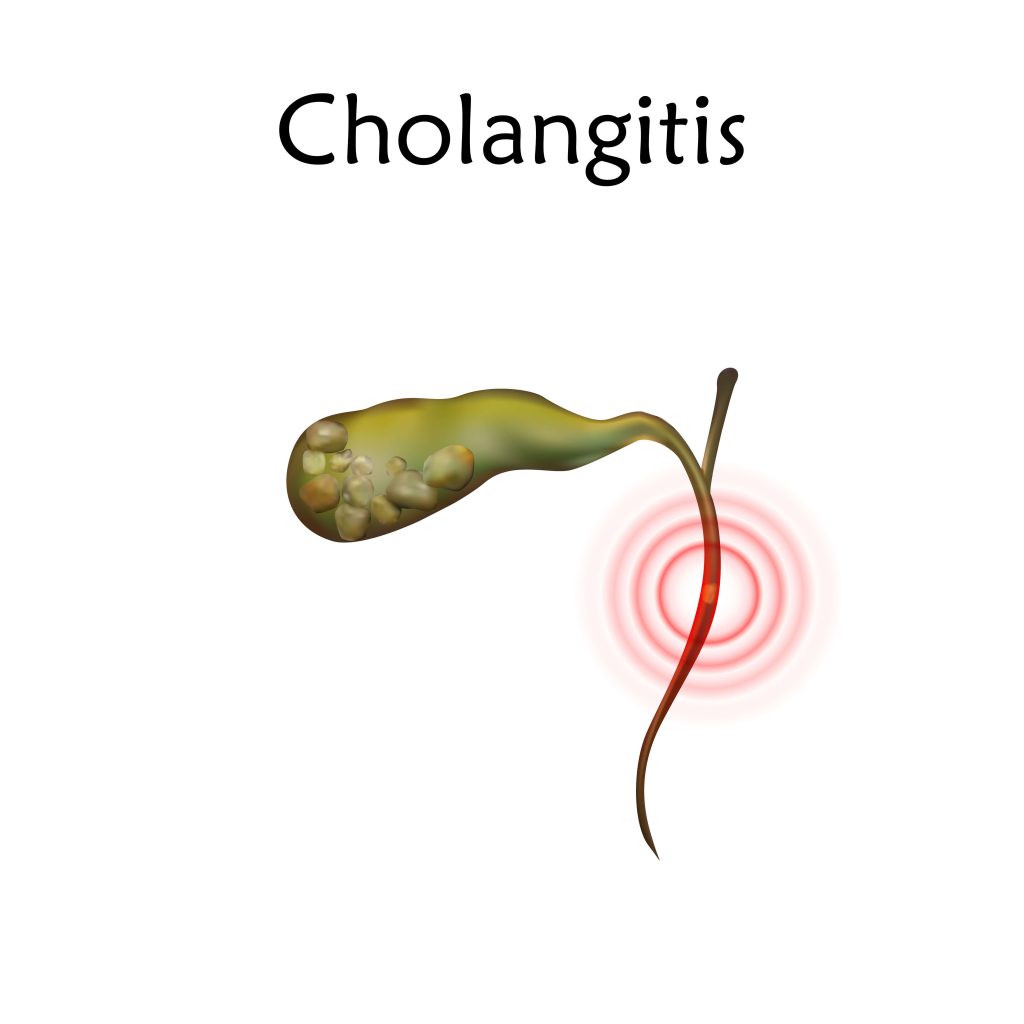
Primary sclerosing cholangitis (PSC) is a chronic liver disease that causes inflammation and scarring in the bile ducts. These ducts are responsible for carrying bile, a digestive fluid, from the liver to the small intestine.
Over time, this inflammation leads to narrowing or blockages, preventing bile from flowing properly. When bile builds up, it can damage liver tissue and eventually lead to serious complications, including liver failure.
PSC is considered an autoimmune condition, meaning the body’s immune system mistakenly attacks its own bile ducts. While it can affect anyone, it is most commonly seen in adults between the ages of 30 and 50 and is often associated with inflammatory bowel diseases.
Primary Biliary Cholangitis vs Primary Sclerosing Cholangitis
Understanding the difference between primary biliary cholangitis vs primary sclerosing cholangitis is important, as these conditions are often confused but require different approaches to care.
Primary biliary cholangitis (PBC) primarily affects the small bile ducts within the liver, while PSC impacts both the intrahepatic and extrahepatic bile ducts. PSC is typically associated with more widespread inflammation and scarring, increasing the risk of bile duct blockages and complications.
Additionally, PSC is more commonly linked with conditions like ulcerative colitis, while PBC is associated with other autoimmune disorders. An accurate diagnosis ensures the most effective treatment plan.
Primary Sclerosing Cholangitis Symptoms
In its early stages, PSC may not cause noticeable symptoms. As the condition progresses, however, patients may begin to experience symptoms that affect daily life. Common primary sclerosing cholangitis symptoms include:
- Persistent fatigue
- Itchy skin (pruritus)
- Abdominal discomfort in the upper right abdomen
- Yellowing of the skin and eyes (jaundice)
- Fever and chills
- Unexplained weight loss
- Dark urine or pale stools
Because these symptoms overlap with other digestive and liver conditions, it’s important to seek evaluation from a specialist for an accurate diagnosis.
What Causes PSC?
The exact cause of PSC is still unknown, but research suggests it is linked to an abnormal immune response that targets the bile ducts. Potential contributing factors include:
- Autoimmune disorders
- Inflammatory bowel disease, especially ulcerative colitis
- Genetic predisposition
- Environmental triggers
While PSC cannot always be prevented, early detection and proactive care can help slow its progression and reduce the risk of complications.
How PSC Is Diagnosed
Diagnosing PSC requires a combination of lab work and advanced imaging. At Rocky Mountain Gastroenterology Associates, we use a thorough, patient-centered approach to ensure accurate results. Diagnostic tools may include:
- Blood tests to evaluate liver function and inflammation
- Magnetic Resonance Cholangiopancreatography (MRCP) to visualize bile ducts
- Endoscopic procedures for closer evaluation
- Liver biopsy to assess the extent of liver damage
This comprehensive approach allows our team to confirm a diagnosis and create a personalized care plan.
Primary Sclerosing Cholangitis Treatment Options
Although there is no cure, several primary sclerosing cholangitis treatment options are available to manage symptoms and improve quality of life. Treatment may include:
- Medications to relieve itching and support bile flow
- Antibiotics to prevent or treat infections
- Endoscopic procedures to open narrowed bile ducts using dilation or stents
- Nutritional support to address deficiencies
In advanced cases, a liver transplant may be necessary. Our team carefully monitors your condition to determine the most appropriate treatment at every stage.
Long Term Management & Monitoring
PSC requires ongoing care and monitoring to manage symptoms and detect complications early. Regular follow-ups play a critical role in maintaining liver health. Long-term management may include:
- Routine blood tests and imaging
- Monitoring for infections or liver damage
- Screening for related conditions, including colon cancer in patients with inflammatory bowel disease
With guidance from a dedicated primary sclerosing cholangitis specialist, many patients can successfully manage their condition and maintain a good quality of life.
Why Choose Rocky Mountain Gastroenterology Associates?
Choosing the right provider is essential when managing a complex condition like PSC. Rocky Mountain Gastroenterology Associates is a trusted leader in digestive health across the Denver Metro Area.
Our physicians perform nearly 30,000 procedures each year in our advanced Endoscopy Centers, combining experience with cutting-edge technology to deliver precise, effective care. We are committed to providing a supportive, patient-first experience while offering cost-effective alternatives to hospital-based procedures.
If you’re looking for expert primary sclerosing cholangitis treatment in Denver, CO, our team is here to help you take the next step with confidence. Contact us today to schedule an appointment and receive the care you deserve.
Primary Sclerosing Cholangitis FAQ
If you have questions about PSC, you’re not alone. Below are answers to some of the most common questions patients have about this condition, its symptoms, and available treatment options.
What Is Primary Sclerosing Cholangitis?
Primary Sclerosing Cholangitis is a chronic disease that causes inflammation and scarring in the bile ducts, which can lead to liver damage over time.
What Are The Early Signs Of PSC?
Early symptoms may include fatigue, itching, and mild abdominal discomfort, though some individuals may not notice symptoms right away.
Is Primary Sclerosing Cholangitis Curable?
There is currently no cure, but treatment can help manage symptoms and slow progression. In severe cases, a liver transplant may be recommended.
How Serious Is PSC?
PSC is a progressive condition that can lead to serious complications if left untreated, making early diagnosis and ongoing care essential.
When Should I See A Primary Sclerosing Cholangitis Specialist?
If you are experiencing symptoms or have risk factors such as inflammatory bowel disease, it’s important to seek evaluation from a specialist as soon as possible.
Go back